
WHAT IS MUSIC THERAPY
Music therapy involves using music in a therapeutic setting to address physical, emotional, cognitive, and social needs. Guided by certified music therapists, participants engage in creating, singing, listening, or moving to music, with sessions tailored to individual goals.
Music therapy has been shown to promote relaxation, reduce anxiety, and foster emotional expression, making it an excellent tool for supporting recovery.

WHAT TO EXPECT

In our music therapy sessions, clients can expect to participate in a range of activities such as songwriting, instrument playing, or simply listening and reflecting on music. Whether you are a beginner or a seasoned musician, no prior musical experience is required. Sessions can be conducted in both individual and group formats, designed to create a safe space where participants can explore emotions, release stress, and build coping skills.
HOW DOES MUSIC THERAPY WORK
Music therapy works by tapping into the brain’s ability to process rhythm and sound, influencing emotions and cognitive functioning. Music stimulates various brain regions associated with memory, mood regulation, and motivation

BENEFITS OF MUSIC THERAPY
Research demonstrates that music can stimulate dopamine release, a key neurotransmitter involved in pleasure and reward, helping reduce the brain’s reliance on substances for satisfaction. This creates a healthier path for recovery by providing natural ways to experience emotional uplift and relaxation.
One of the core benefits of music therapy is its ability to enhance mood and alleviate anxiety and depression. Studies reveal that music activates brain areas related to emotion regulation and stress relief, helping individuals feel calmer and more grounded.
Music therapy sessions offer a safe space for clients to explore complex emotions, whether through creating music or reflecting on lyrics, giving them an effective outlet for self-expression. This can improve overall mental health, making daily life and recovery challenges feel more manageable.
Through music therapy, clients learn to utilize music as a personal coping tool.
Techniques like rhythmic breathing to calming music or expressing emotions through improvisational music-making teach participants effective ways to handle stress, trauma, and negative feelings.
These skills extend beyond therapy sessions, empowering clients to employ music independently as a coping strategy when they encounter challenges, both during recovery and in daily life
Music therapy fosters a strong sense of community, particularly in group settings where individuals create or listen to music together.
Participating in group music activities promotes communication, teamwork, and shared emotional experiences, which can be especially helpful for individuals overcoming isolation or trauma.
This social aspect helps clients build new, healthy connections and a support network, both crucial for long-term recovery success
PATIENT SPOTLIGHT: JAMIE JOHNSON
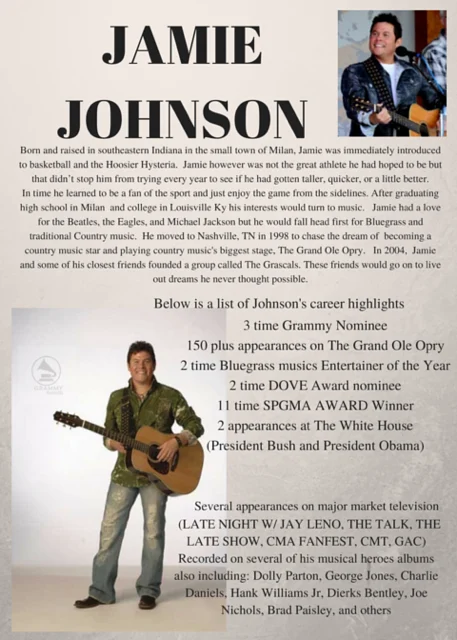
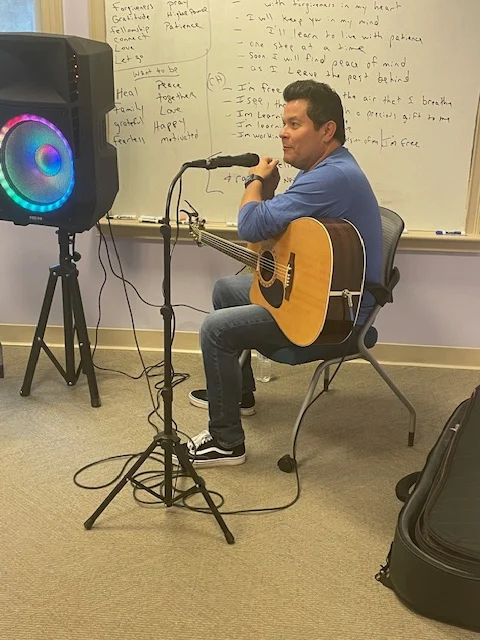
Nashville music star Jamie Johnson, member of the Grammy-nominated band The Grascals, has used music therapy as a crucial part of his recovery journey from addiction.
Johnson, whose career includes collaborations with artists including Dierks Bentley and collaborations with the American Pickers, turned to music therapy to help him through his struggles with substance use. His personal connection to music has allowed him to channel his emotions into songwriting and performing, providing a healing outlet during his recovery process
Music therapy has enabled Johnson to cope with cravings and reduce stress, offering him a way to express the complex emotions tied to addiction. His success story is a testament to the power of music therapy not just for musicians, but for anyone seeking emotional relief and healing in their recovery.
At BIG SKY Treatment, our Music Therapy Program offers the same transformative support to individuals on their path to recovery, whether through virtual sessions or onsite at our Kalispell, MT location.
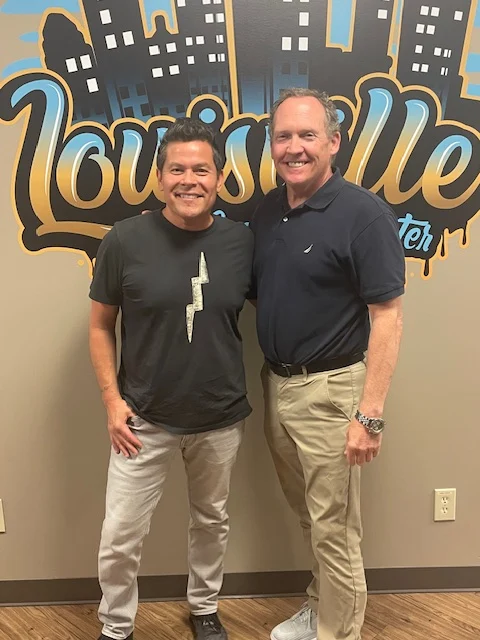

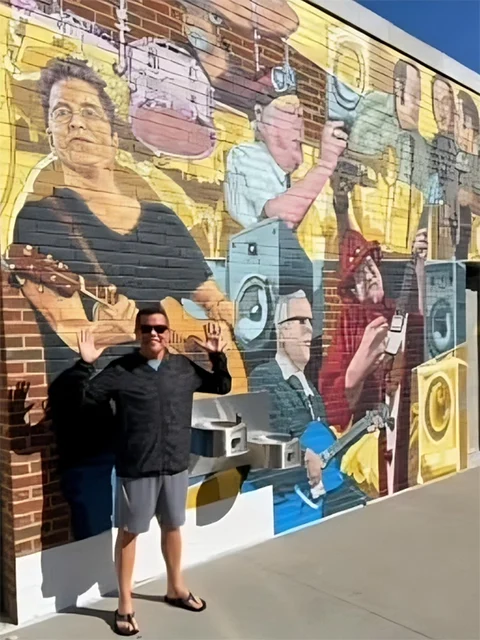
Far left: Jamie Johnson with BIG SKY CEO, Dr. Duke Vinson. Far right: Jamie Johnson in front of a mural of himself in Lawrenceburg, Indiana.


TYPES OF MUSIC THERAPY
There are various approaches to music therapy that can be tailored to meet individual needs. These include active interventions, where clients create or play music, and receptive interventions, where they listen and reflect on music selections. Techniques such as improvisation, songwriting, or lyrical analysis may be used to address specific emotional or behavioral goals.
WHAT MUSIC THERAPY CAN HELP WITH
Music therapy has been proven to help individuals dealing with a range of issues including substance use disorders, anxiety, depression, trauma, and PTSD. It supports emotional healing by providing an outlet for feelings that may be difficult to express verbally. Additionally, music therapy can help enhance self-awareness, build self-esteem, and promote relaxation.
MUSIC THERAPY RESEARCH AND STATISTICS
Studies have found that music therapy is an effective method for reducing cravings in substance use disorder patients and improving coping mechanisms. Research also highlights that music therapy significantly reduces trauma in adults during withdrawal from substance use, creating a more stable recovery environment
Source: C. Ghetti, Xi-Jing Chen (2020). “Music Therapy for People with Substance Use Disorders.” Cochrane Database of Systematic Reviews.
Music Therapy Shown to Significantly Reduce Trauma in Adults Withdrawing from Substance Abuse.
Source: J. Bibb, D. Castle (2018). “Reducing Withdrawal Trauma through Music Therapy.” Journal of Addictive Behaviors, Therapy & Rehabilitation.
Source: D. Situmorang (2020). “Music Therapy for the Treatment of Patients with Addictions and Mental Health Struggles.” Addictive Disorders & Their Treatments, Wolters Kluwer Health, Inc.
https://journals.sagepub.com/doi/full/10.1177/1542305021992000
BUILD A FOUNDATION FOR LASTING CHANGE
At BIG SKY Treatment, we offer more than just treatment; we offer a chance at a new beginning. Let us help you lay the groundwork for a life free from the shadows of mental health illness and addiction. Our dedicated team is always here to provide guidance and answer your questions—day or night.
TREATMENT OPTIONS
We understand that one size doesn’t fit all when it comes to recovery. That’s why we offer a range of personalized treatment options. Choose the path that empowers your journey:

BIG SKY EXPERIENTIAL THERAPY
Our experiential therapy programs, including equine therapy, art therapy, and music therapy, empower clients to explore new ways of healing through hands-on activities.

BIG SKY OUTPATIENT TREATMENT
Offering flexible, part-time care, our outpatient programs are designed to accommodate your daily life while maintaining a strong focus on recovery.
BIG SKY TELEHEALTH TREATMENT
For clients who prefer virtual care, our telehealth treatment ensures you receive personalized support from the comfort of your home.

FIND MUSIC THERAPY TREATMENT AT BIG SKY
BIG SKY Treatment is proud to integrate music therapy into our holistic treatment approach. Whether in our Kalispell, MT, location or through virtual sessions, we’re committed to helping you discover the healing power of music on your recovery journey. Reach out today to learn how music therapy can help you, and begin your path to a healthier, addiction-free life.
FULLY LICENSED & CERTIFIED

FREQUENTLY ASKED QUESTIONS ABOUT MUSIC THERAPY
Browse our FAQ for clear, concise answers to common inquiries about our programs and services.


